Remote Monitoring for Cabins & Vacation Homes
in Western Montana
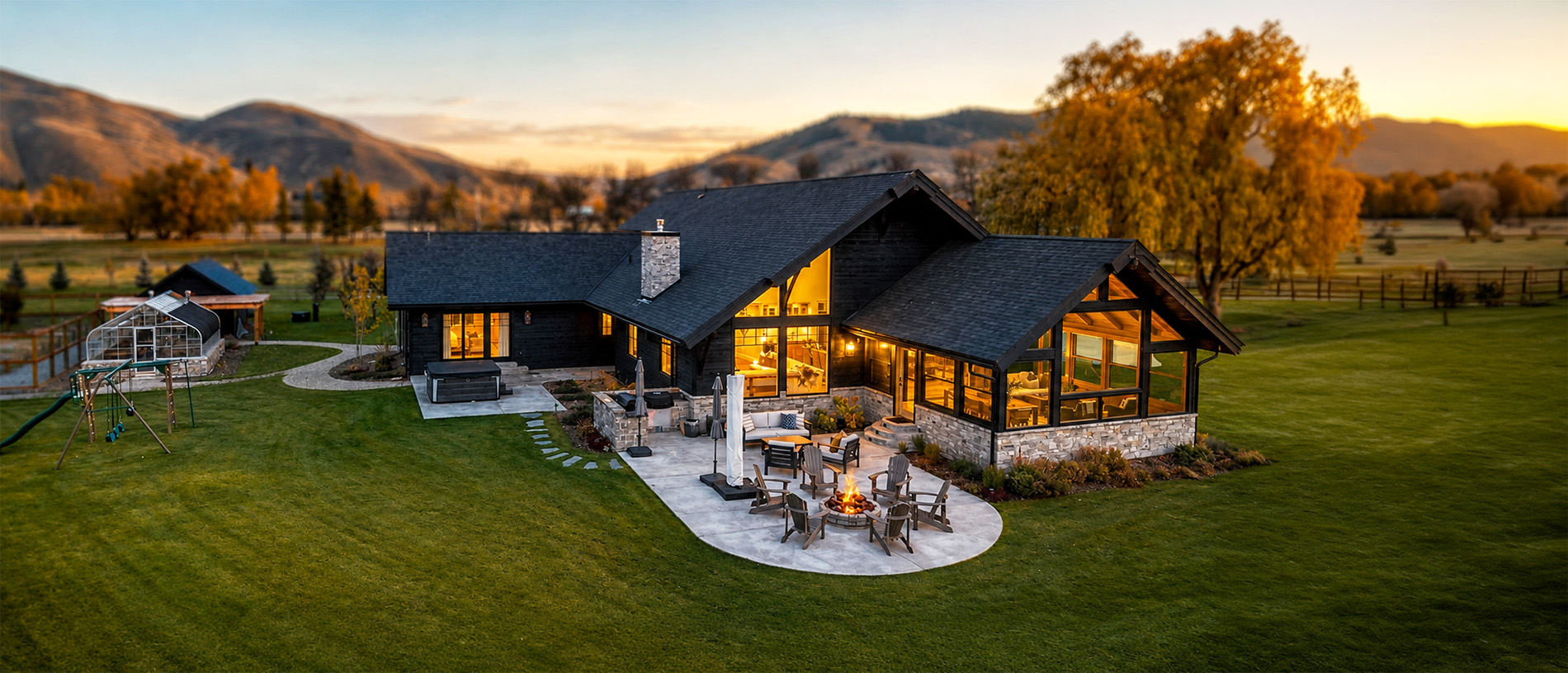
For cabins, vacation homes, lake properties, and rural residences across Western Montana, remote monitoring gives homeowners a clearer way to stay connected to a property when they are not there every day.
The value is not simply checking a camera from a phone. A well-designed system helps you understand what is happening at the property, receive useful alerts, and manage key systems with confidence from a distance.
Quick Answer: What Is Remote Monitoring for a Cabin or Vacation Home?
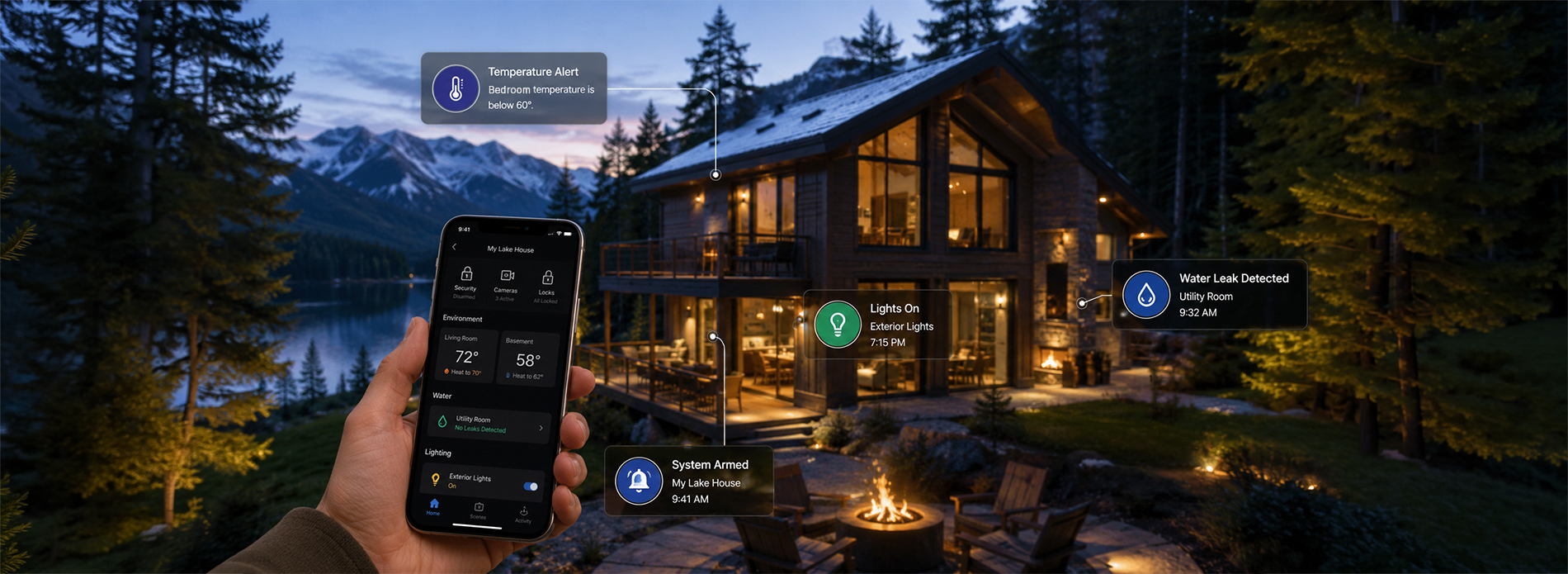
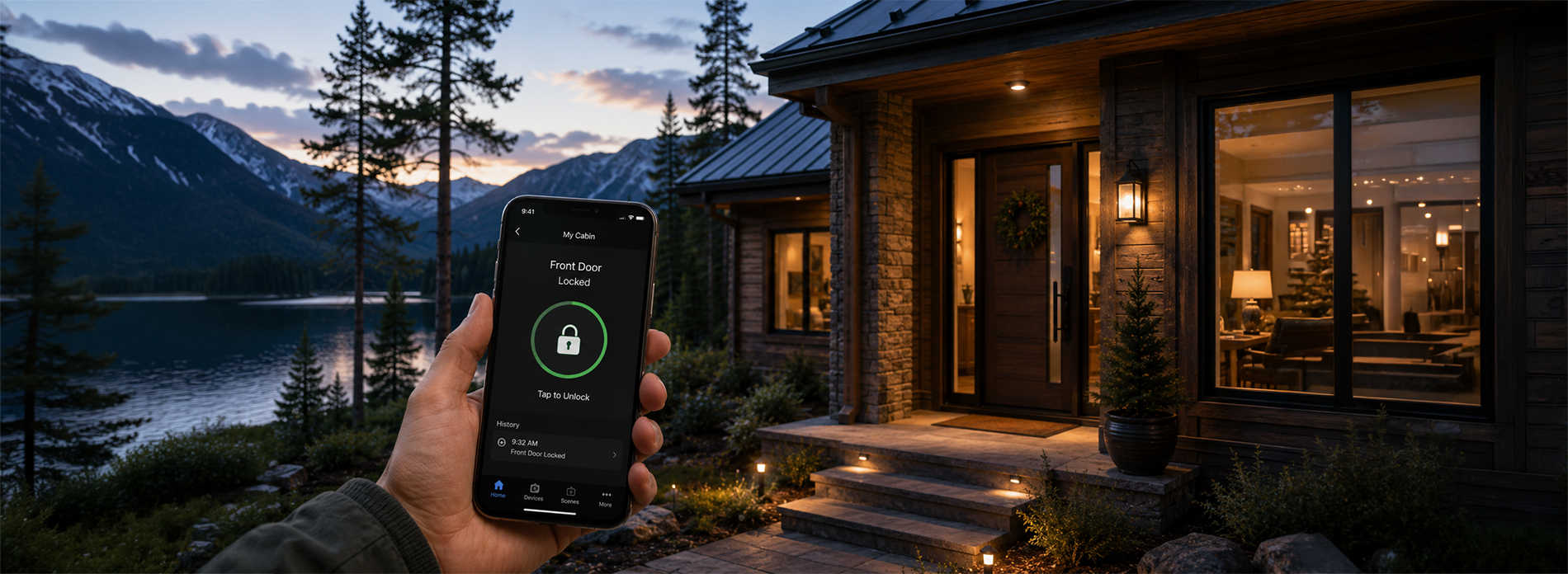
Remote monitoring is a connected smart-home and security system that helps you check, manage, and receive alerts from a property while you are away. Depending on the home, that may include cameras, door and window sensors, smart locks, garage control, lighting, temperature alerts, water-leak detection, and mobile access through a single control interface.
For cabins and second homes, the best systems are planned around the full property. Cameras, access control, sensors, networking, and alerts should work together so the homeowner can understand what is happening without switching between a collection of disconnected devices.
Why Remote Monitoring Matters for Western Montana Properties
Many Western Montana properties are used seasonally, shared with guests, or located far enough from town that every in-person check takes planning. Remote monitoring gives homeowners better information when the property is empty, weather changes, or someone needs approved access.
Confidence Between Visits
Check key areas, review activity, and confirm the property is ready before family or guests return.
Useful Information Before the Drive
For properties across the Missoula Valley, Bitterroot Valley, and Flathead region, remote alerts can help you decide whether something needs immediate attention.
Awareness During Vacancy
Seasonal homes benefit from visibility into security, temperature, water, and access concerns while the owner is away.
Cleaner Guest & Service Access
Manage approved access for family, caretakers, cleaners, contractors, and service providers without relying on spare keys.
What Remote Monitoring Does & What It Does Not Replace
For homeowners who are newer to smart-home technology, remote monitoring can be thought of as a way to stay informed and make simple adjustments from a distance. It can show you whether a door was opened, whether motion was detected, whether the home is holding temperature, or whether a water sensor has triggered an alert.
It does not replace regular property care, proper maintenance, or good judgment. Instead, it adds a layer of visibility between visits so you are not relying only on memory, neighbors, or the next time someone happens to stop by.
What It Helps You Know
- Whether doors, windows, or garage areas show activity
- Whether cameras have detected motion in key areas
- Whether temperature or water alerts need attention
- Whether trusted guests or service providers accessed the home
- Whether the property appears ready before you arrive
What It Helps You Do
- Unlock a door for an approved person
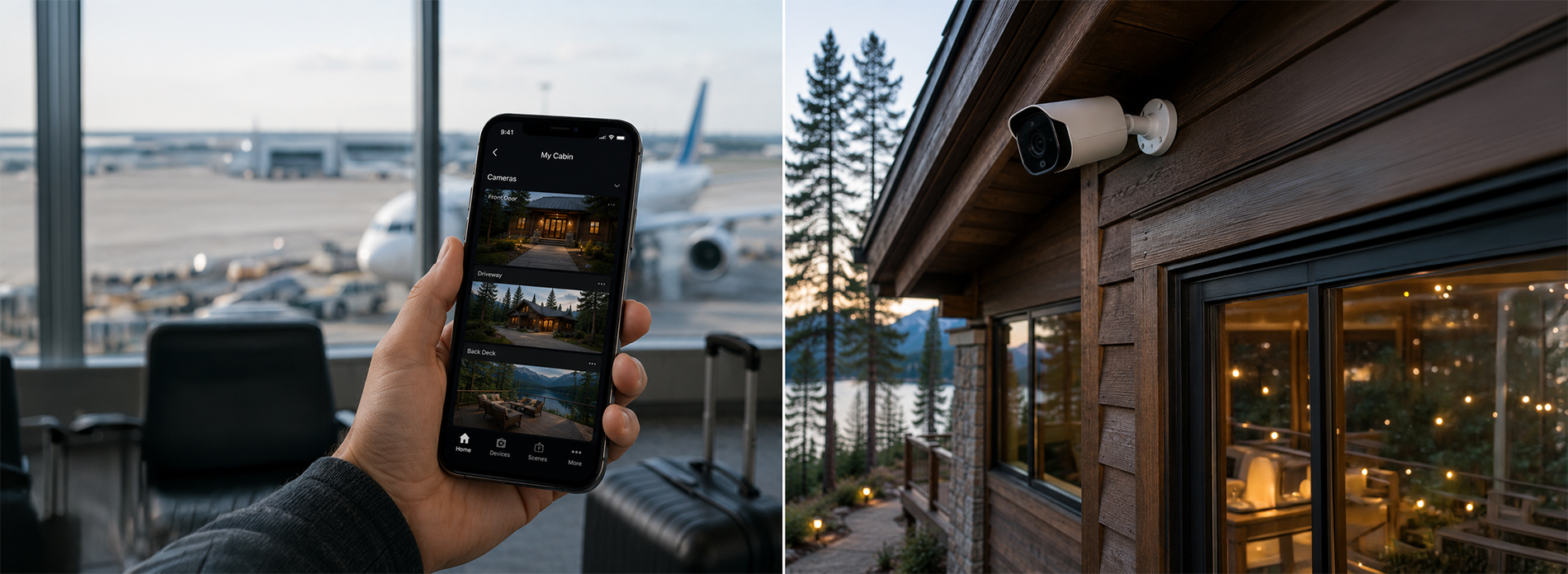
- Check camera views from a mobile device
- Adjust lighting or climate settings where supported
- Receive alerts when something changes
- Manage key systems from a more unified interface
What Can You Monitor From a Cabin or Vacation Home?
The right remote monitoring plan depends on the property, how often it is occupied, and what the homeowner needs to know while away. Some homes need a security-focused setup. Others need broader awareness around access, temperature, water, lighting, and system reliability.
Security & Access
- Exterior cameras for driveway, entry, garage, or approach visibility
- Door & window sensors for activity alerts
- Smart locks for trusted guest or service-provider access
- Garage & gate control where appropriate
- Lighting scenes for arrival, departure, and occupancy routines
Property Awareness
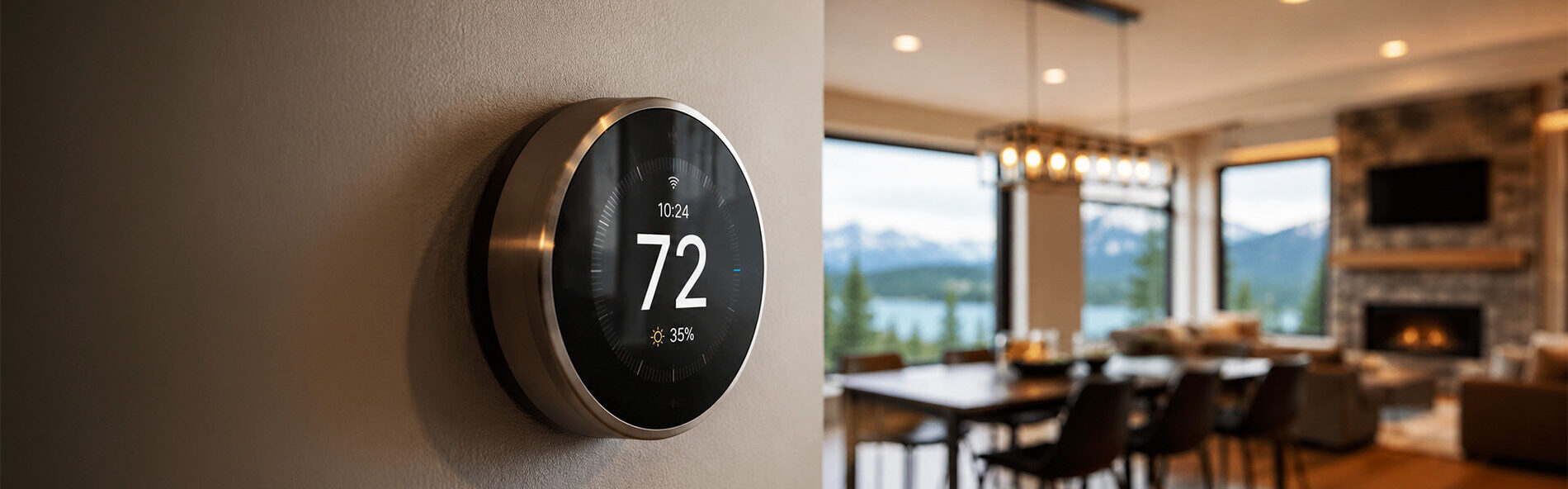
- Temperature alerts for vacant or seasonally occupied homes
- Water-leak detection in key areas
- HVAC status visibility where supported by the system
- Network health awareness for connected devices
- Mobile or touchscreen control through an intuitive interface
The strongest systems are designed around real use. A lake home may need easier guest access and entry visibility. A rural property may need cameras, network coverage, and alerts across a larger footprint. A mountain cabin may need temperature awareness, lighting control, and reliable remote access between less frequent visits.
Reliable Wi-Fi & Networking Come First
Remote monitoring is only as dependable as the network behind it. Cameras, locks, sensors, thermostats, lighting controls, and mobile alerts all need stable connectivity, especially in larger homes, thick-wall construction, detached garages, guest houses, shops, or outdoor areas.
Coverage Across the Property
The system may need to support cameras, access points, outdoor spaces, garages, and secondary structures, not just the main living area.
Support for Connected Systems
A cabin or vacation home may rely on cameras, smart locks, lighting, thermostats, streaming, and guest Wi-Fi at the same time.
More Reliable Alerts
Motion alerts, access notifications, and system updates are more useful when the network can support them consistently.
Room to Expand
A strong network makes it easier to add cameras, lighting areas, audio zones, or broader control features later.

How Remote Monitoring Helps Day to Day
Remote monitoring is most valuable when it supports real ownership situations. For many homeowners, that means being able to check the property, manage trusted access, and confirm basic conditions without asking someone to visit every time a question comes up.
When Someone Needs Access
Smart access can allow approved entry for family, guests, caretakers, contractors, cleaners, or service providers. Instead of hiding a key or coordinating a handoff, the homeowner can manage access more intentionally.
When You Want to Check Activity
A well-placed camera system can help homeowners confirm arrivals, review motion events, check driveway conditions, or see whether something needs attention before making a trip to the property.
When You Are Preparing to Arrive
Lighting, locks, and climate controls can help prepare the home before arrival. That can be useful for evening arrivals, weekend trips, or properties where the entry and interior spaces are not used daily.
When You Want Simpler Control
The more connected systems a property has, the more important the control experience becomes. A professionally integrated system can reduce app switching and make the most important controls easier to find.
Climate, Water & Seasonal Property Awareness
Security is only one part of remote monitoring. For cabins and vacation homes, property awareness can be just as important. Temperature changes, HVAC concerns, water leaks, and other alerts can matter more when the home is empty for long stretches.
A thoughtfully designed system can help homeowners monitor key conditions and respond sooner when something changes. That does not replace regular inspections or maintenance, but it can provide an important layer of information between visits.
Remote Climate Visibility
Temperature awareness can help homeowners understand whether the property is staying within the expected range during seasonal transitions, travel periods, or extended vacancy.
Leak Alerts in Key Areas
Water sensors can be placed where early warning is valuable, such as mechanical spaces, utility rooms, laundry areas, bathrooms, and other vulnerable locations.
Comfort Before You Get There
Remote control can make it easier to prepare the home before arrival, whether that means adjusting comfort settings, turning on lights, or confirming that key systems are ready.
Awareness While You Are Away
For homeowners who split time between properties or travel often, alerts can provide a clearer picture of what is happening at the home between visits.
Why Professional System Design Matters
A second home or rural property can quickly outgrow a collection of standalone devices. Cameras, smart locks, thermostats, lighting controls, sensors, and network equipment may all work individually, but that does not always create a dependable experience for the homeowner.
Professional design matters because the property needs to be considered as a whole. Camera locations, access points, wiring paths, equipment placement, control interfaces, network coverage, and future expansion all affect how useful the system feels after installation.
A Collection of Devices
- Separate apps for cameras, locks, lighting, and climate
- Inconsistent performance if the network is not planned well
- Limited coordination between systems
- More difficulty troubleshooting when something does not work as expected
A Professionally Designed System
- Unified control for the systems the homeowner uses most
- Network planning that supports cameras, access, and alerts
- Cleaner installation with equipment placed intentionally
- Ongoing local support from a team that understands the property
For Automated Living, the focus is on designing systems that are stable, intuitive, and built around the way the property is actually used. That approach is especially valuable for homes where the owner cannot simply walk downstairs or drive across town to check every device.
Is Remote Monitoring Right for Your Montana Property?
Remote monitoring is a strong fit when distance, seasonal use, guest access, weather, or limited in-person oversight makes property awareness more important.
You Are Away for Long Stretches
Remote alerts and camera views can help you stay informed when the property is not checked every day.
Other People Need Approved Access
Smart locks and access control can make it easier to coordinate family, guests, caretakers, cleaners, and service providers.
The Property Has Multiple Areas to Watch
Larger homes, garages, outbuildings, driveways, and outdoor spaces often benefit from a more complete monitoring plan.
You Want One System Instead of Several Apps
A professionally integrated system can make security, access, climate, lighting, and alerts easier to manage from one place.
New builds, remodels, network upgrades, and security improvements are all good opportunities to plan remote access before the need becomes urgent.
Plan a More Dependable Remote Monitoring System
Automated Living designs smart-home, security, networking, and Control4 systems for homes and businesses across Western Montana. If you own a cabin, second home, rural property, or vacation home, our team can help you plan a remote monitoring system that is clean, reliable, and simple to manage.
Our work centers on thoughtful system design, clean installation, intuitive control, and dependable long-term support, so the system feels useful after the installation is complete.
Remote Monitoring FAQs
What can I monitor remotely at a cabin or vacation home?
Depending on the system design, you may be able to monitor cameras, doors, windows, locks, garage access, lighting, temperature, water sensors, and security alerts. The right setup depends on the property layout, how often the home is occupied, and which areas need the most visibility between visits.
Does remote monitoring require strong Wi-Fi?
Yes. Remote monitoring depends on a stable network. Cameras, smart locks, sensors, lighting controls, climate systems, and mobile alerts all rely on dependable connectivity. For larger homes, rural properties, or homes with multiple structures, professional network planning is especially important.
What happens if the internet or power goes out?
That depends on the system design and equipment being used. Some systems may continue limited local operation during an outage, while remote access usually depends on an active internet connection. For cabins and vacation homes, it is important to discuss network reliability, backup power options, equipment placement, and alert priorities during the planning process.
Can I unlock the door remotely for guests or service providers?
A properly designed smart access system can allow remote entry for trusted guests, family members, caretakers, cleaners, or service providers. Access control should be planned carefully so the system is convenient without compromising security.
Is remote monitoring only for security cameras?
No. Cameras are often part of the system, but remote monitoring can also include smart locks, lighting, temperature awareness, water-leak alerts, garage access, and other connected systems. For many second homes, the most useful setup combines security visibility with broader property awareness.
Can remote monitoring help with temperature or water concerns?
Yes. Temperature awareness and water-leak alerts can be valuable for homes that sit empty between visits. These systems can help homeowners receive earlier notice when something changes, especially in mechanical rooms, utility spaces, bathrooms, laundry areas, or other important locations.
How is remote monitoring different for a cabin or second home?
Cabins and second homes often have different needs than primary residences because they may be empty for longer periods, located farther from town, or used by guests and service providers. That makes reliable alerts, remote access, camera placement, climate awareness, and network stability especially important.
Is professional installation worth it for a second home?
For many second homes, professional installation is worth it because reliability matters when the owner is not nearby. A professional design can account for network coverage, camera placement, access control, wiring, equipment location, control interfaces, and future expansion.
Can a remote monitoring system expand over time?
Yes. A well-planned system can often expand as the property’s needs change. Homeowners may start with security cameras, access control, or network improvements, then add lighting, climate, audio, additional cameras, or broader smart-home control over time.
Remote Monitoring Helps You Stay Connected to the Property That Matters
For cabins, vacation homes, and rural properties across Western Montana, remote monitoring is most valuable when it is designed as a complete, reliable system. The right plan gives homeowners clearer visibility, simpler access control, and better awareness of key property conditions while they are away.
Automated Living helps homeowners move beyond disconnected devices with clean installation, dependable networking, intuitive control, and long-term local support. For a Montana cabin, second home, or vacation property, that kind of planning can make remote monitoring feel practical, stable, and easy to live with.
Keep Exploring Automated Living Services
Learn more about the core systems that support dependable remote monitoring, from smart security and Control4 automation to reliable planning for new builds, remodels, and larger Western Montana properties.