

New Construction Technology Planning
New Construction Smart Home Planning
in Western Montana
Build technology into the project from the start with clean wiring, reliable networking, intuitive control, premium audio/video, and long-term support from Automated Living.
New construction is the ideal time to plan smart home automation, whole-home Wi-Fi, security, audio/video, lighting control, and commercial technology systems. Automated Living works with homeowners, builders, architects, designers, and commercial project teams across Western Montana to help technology feel planned, polished, and reliable from day one.
Why Plan Smart Technology Early?
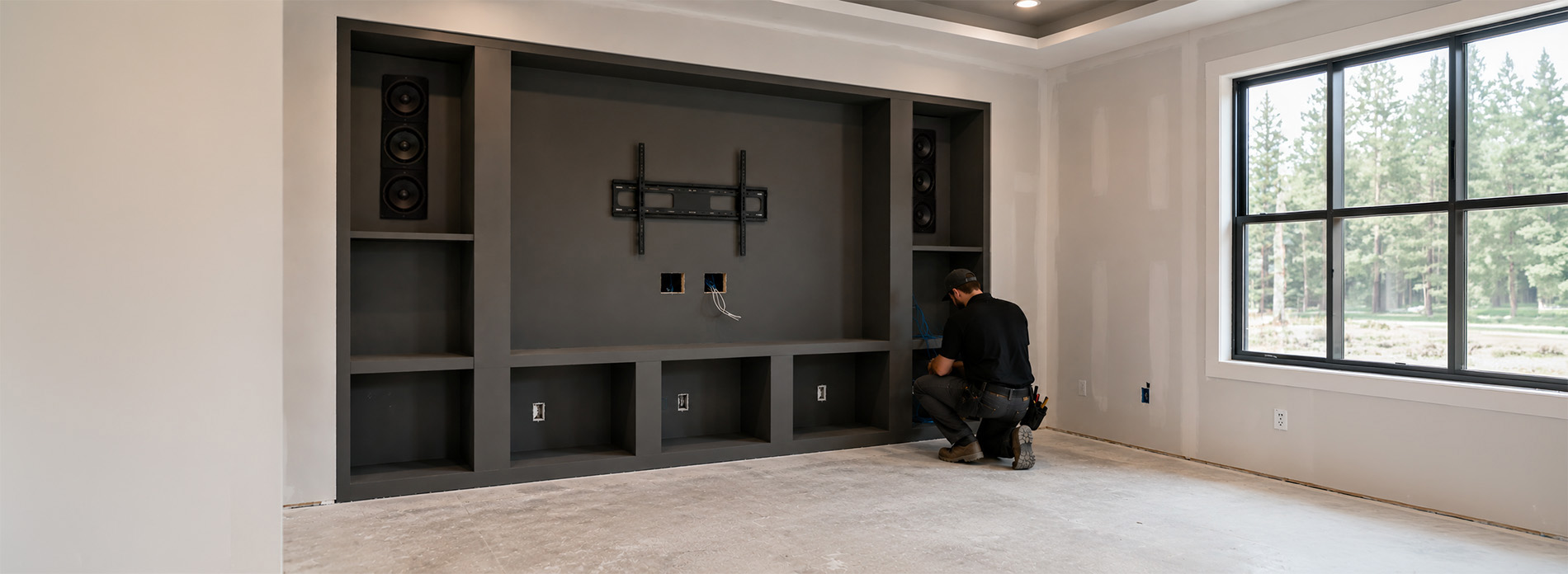
During a new build, the structure is still open. That makes it easier to plan wiring paths, network locations, speakers, displays, touchscreens, security cameras, lighting controls, equipment racks, and future expansion before finishes narrow the available options.
Early planning also helps the technology support the design of the space. Instead of adding devices around completed rooms, Automated Living helps build the system into the property so it works cleanly with the layout, finishes, and intended use.
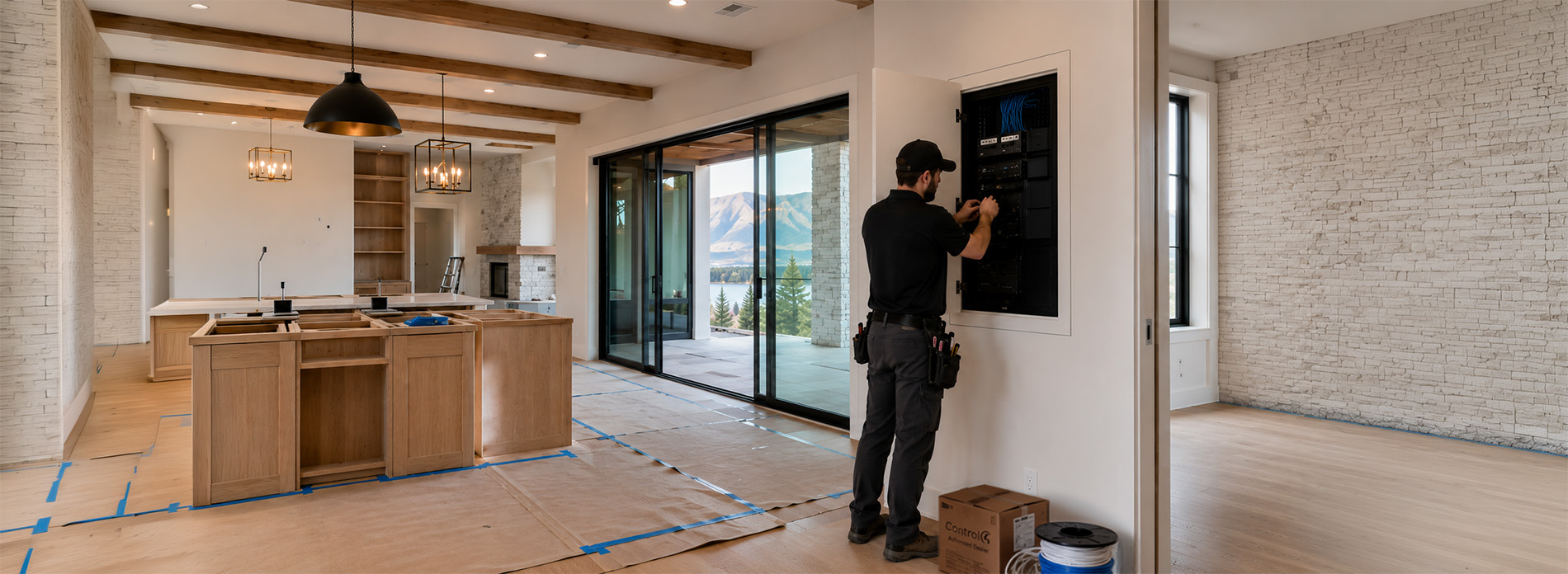
Technology Works Best When It Is Designed Into the Build
A professionally planned smart home or commercial technology system is more than a collection of devices. It includes infrastructure, placement, control, reliability, and support working together.
Cleaner Finished Spaces
Plan key locations for displays, speakers, cameras, access points, touchscreens, and equipment before walls, trim, cabinetry, and built-ins are complete.
Better Long-Term Reliability
A planned infrastructure supports stronger networking, cleaner control, more reliable AV performance, and easier service as the property’s needs change.
More Flexibility for the Future
A new build can support today’s needs while preserving pathways for future upgrades, added rooms, outbuildings, outdoor areas, or expanded automation.
Better Coordination With the Project Team
Builders, electricians, designers, and owners all benefit from clear technology planning before device placement, wiring paths, and equipment locations become harder to adjust.
Why Waiting Can Limit the Final Result
Technology can be added after construction, but finished walls, completed cabinetry, exterior finishes, and occupied spaces can limit where equipment can go. Planning during construction helps protect both the appearance of the space and the reliability of the system.
During Construction
- Wiring routes are easier to access.
- Equipment locations can be planned cleanly.
- Speakers, displays, cameras, and access points can be placed intentionally.
- Conduit and spare cabling can support future upgrades.
- Finished spaces can remain cleaner and more attractive.
After Construction
- Finished walls may limit wiring options.
- Some devices may require less ideal placement.
- Retrofit work can involve patching or visible compromises.
- Network and AV performance may depend more heavily on workarounds.
- Future upgrades can be more complicated.
What Can Be Planned During a New Build?
New construction gives the project team time to think through the full technology environment, not just the most visible devices. Automated Living can help plan the infrastructure and finished experience across the entire property.
Smart Home Automation
Unified control for lighting, audio, video, climate, shades, security, gates, and scenes through a professionally designed Control4 system.
Whole-Home Wi-Fi & Networking
Network planning for larger homes, multi-level layouts, detached structures, thick materials, remote work, streaming, and high-demand connected devices.
Audio, Video & Home Theater
Prewire for media rooms, dedicated theaters, living rooms, outdoor audio, distributed audio, hidden speakers, displays, projectors, and clean equipment locations.
Security & Surveillance
Plan camera views, door stations, access control, sensors, gate integration, remote visibility, and security coverage before exterior finishes are complete.
Lighting Control
Simplify wall controls, support scene-based lighting, reduce keypad clutter, and create more intuitive control for daily routines and entertaining.
Commercial Integration
Plan AV, networking, displays, meeting spaces, access control, security, and automation for offices, restaurants, hospitality spaces, and local businesses.
When Should Automated Living Be Involved?
The ideal time to involve Automated Living is before electrical and low-voltage rough-in. The earlier the technology plan is reviewed, the easier it is to coordinate wiring, equipment locations, access points, speakers, displays, control interfaces, and future expansion paths.
1. Design & Planning
Review floor plans, room use, entertainment goals, security needs, network expectations, and future expansion priorities.
2. Before Rough-In
Plan structured wiring, speaker wire, network cabling, camera locations, equipment racks, keypads, touchscreens, and control infrastructure.
3. Before Drywall
Confirm wiring locations, display placement, access points, audio zones, security coverage, and future pathways before walls close.
4. Finish & Trim-Out
Install visible devices, speakers, displays, cameras, touchscreens, keypads, racks, and control interfaces after the space is ready.
5. Programming & Setup
Configure lighting, audio, video, climate, security, networking, and control so the system feels natural to use.
6. Walkthrough & Support
Review the system with the owner, make refinements, and provide the dependable local support Automated Living is known for.
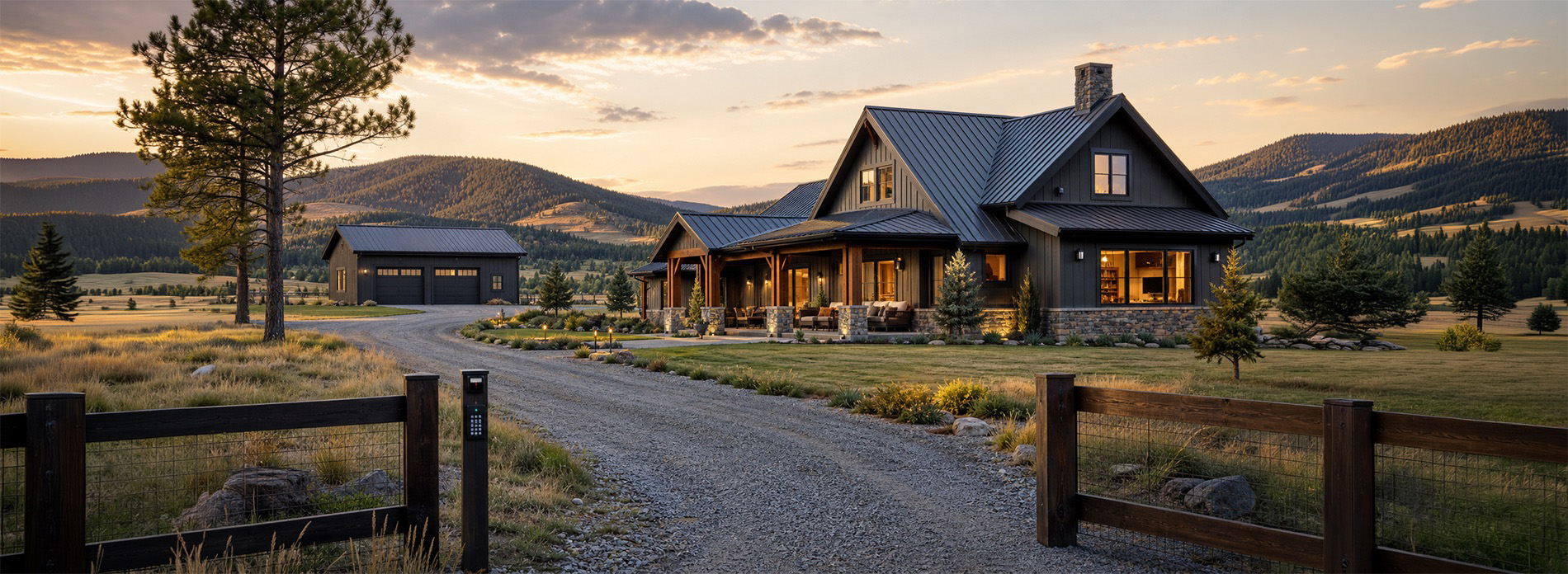
Designed for the Way Montana Properties Are Built & Lived In
Homes and commercial spaces across Western Montana often have needs that benefit from early technology planning. Larger floor plans, home offices, detached garages or shops, rural driveways, second-home use, outdoor living areas, and seasonal travel can all affect how a system should be designed.
Automated Living brings local experience to projects throughout the Missoula Valley, Bitterroot Valley, Flathead region, and I-90 corridor. That regional knowledge helps the team plan systems that support reliable Wi-Fi, remote access, security visibility, shared entertainment spaces, and clean everyday control.
A Practical Example
In a custom home with a detached shop or future guest space, planning conduit, network cabling, camera coverage, and audio zones during construction can preserve cleaner options later. The owner may not need every device on day one, but the property is better prepared when those needs become real.
Mountain, Rural & Second Homes
Plan remote access, driveway visibility, gate control, camera placement, equipment locations, and network coverage before the property is finished.
New-Build Neighborhoods & Custom Homes
Coordinate wiring, lighting control, media spaces, security, shades, and networking while builders and designers still have flexibility.
Commercial Spaces
Build AV, networking, displays, conference technology, access control, and security into the space before opening day.
Properties With Room to Grow
Prepare for future additions — outbuildings, outdoor entertainment, expanded security, or added control — without redesigning the system later.
A Technology Partner for Builders, Architects, Designers & Project Teams
Automated Living can coordinate directly with the people already involved in the build. For homeowners, that means clearer decisions and fewer surprises. For builders and design professionals, it means technology requirements are identified early enough to support the schedule, preserve the design intent, and reduce late-stage adjustments.
Plan Review
Review layouts, elevations, room use, equipment locations, outdoor areas, and future needs before the project reaches rough-in.
Builder Coordination
Work alongside builders, electricians, designers, and other trades so technology requirements are clearly understood at the right stages.
System Design
Build a practical plan around automation, networking, AV, lighting, security, access, and control before installation begins.
Clean Integration
Help protect the finished look of the space by planning visible devices, hidden infrastructure, wiring paths, and control locations early.
Building Soon? Talk With Automated Living Before Rough-In.
The earlier our team is involved, the more cleanly your technology can be planned. Automated Living helps homeowners, builders, and commercial project teams design systems that are reliable, intuitive, and ready for long-term use.
Start Planning Your New Build Technology System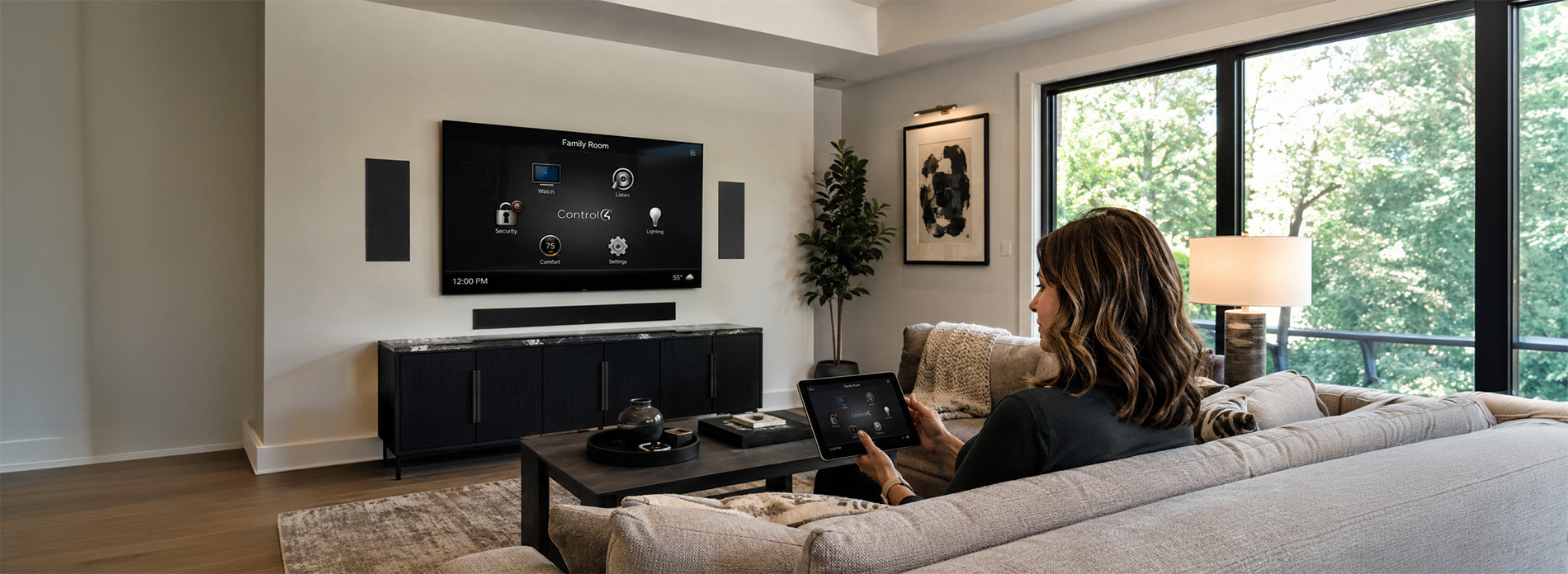
This Page Is a Good Fit If You Are...
Building a Custom Home
You want smart lighting, audio, security, networking, climate, and control planned before construction is complete.
Building a Second Home or Cabin
You need remote access, security visibility, dependable Wi-Fi, and simple control while away from the property.
Planning a Large or Complex Property
You have multiple floors, outbuildings, outdoor living areas, heavy network demands, or spaces that need careful coverage.
Building a Commercial Space
You need AV, displays, conference technology, networking, access control, or security planned before opening.
Working With a Builder or Architect
You want a professional technology partner who can coordinate early and help avoid late-stage compromises.
Unsure What to Prewire
You know technology matters, but want expert guidance on what should be planned now and what can be expanded later.
New Construction Smart Home Planning FAQs
When should I contact Automated Living for a new construction project?
The best time to contact Automated Living is during design or before low-voltage rough-in. That gives the team time to review plans, recommend wiring locations, coordinate with the project team, and help avoid limitations once the walls are closed.
Can Automated Living work with my builder, architect, designer, or electrician?
Yes. Automated Living can coordinate with builders, architects, designers, electricians, and other trades so smart home automation, networking, AV, lighting control, and security planning are handled at the right stage of the project.
Is prewiring only important for large custom homes?
No. Prewiring is valuable for many new homes and commercial spaces because it supports cleaner installation, more reliable performance, future flexibility, and better placement for key technology.
What should be planned before drywall?
Common pre-drywall planning includes network cabling, wireless access point locations, speakers, displays, cameras, door stations, keypads, touchscreens, shades, gates, equipment racks, and conduit for future expansion.
Can I prewire now and add equipment later?
Yes. Many projects benefit from installing the right infrastructure during construction even if every final device is not installed immediately. This can preserve cleaner future options for audio, video, networking, control, and security.
Do new homes still need wired infrastructure if Wi-Fi is improving?
Yes. Wi-Fi is important, but wired infrastructure still supports reliable access points, cameras, AV systems, control systems, and high-demand areas. A strong wired foundation helps the wireless system perform better throughout the property.
Does Automated Living install Control4 systems in new homes?
Yes. Control4 is one of Automated Living’s core specialties. For new construction, Control4 can bring lighting, audio, video, climate, security, shades, and other systems into a clean, intuitive control experience.
Do you handle commercial new construction projects?
Yes. Automated Living supports commercial integration for offices, restaurants, hospitality spaces, medical practices, retail environments, and other businesses that need AV, networking, security, access control, or automation planned before opening.
What areas does Automated Living serve?
Automated Living serves Western Montana, including the Missoula Valley, Bitterroot Valley, Flathead region, and the I-90 corridor. Specific project locations can include Missoula, Lolo, Florence, Stevensville, Hamilton, Frenchtown, Bonner, Seeley Lake, and surrounding communities.
A New Build Is the Right Time to Plan With Confidence
Smart technology should feel dependable, intuitive, and built for the property it serves. Automated Living helps homeowners, builders, and businesses plan systems that support comfort, entertainment, security, connectivity, and long-term flexibility without forcing technology into the space after the fact.
Whether the project is a custom home in the Bitterroot Valley, a commercial space in the Missoula area, or a second home in the Flathead region, thoughtful planning can make the finished system cleaner, easier to use, and better prepared for long‑term use.